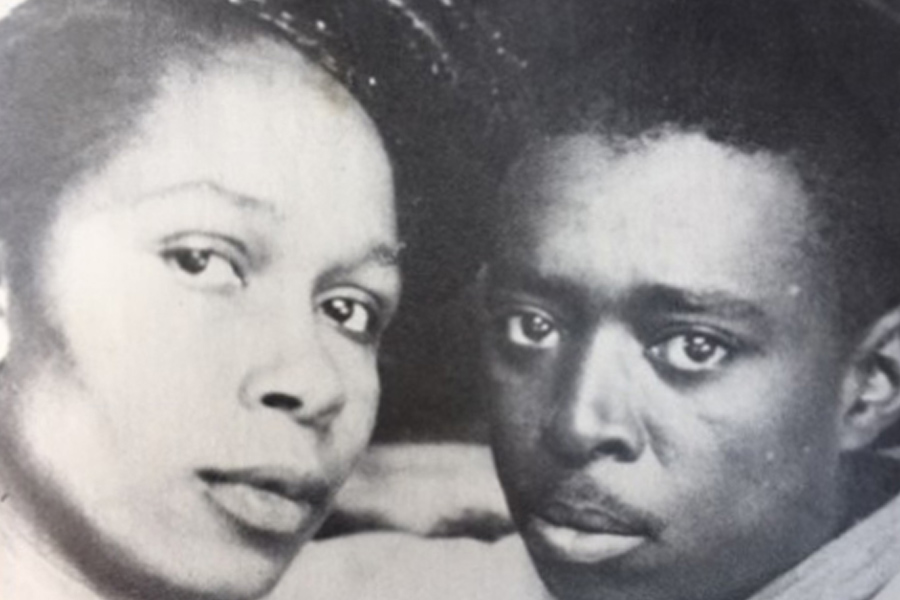
A Life Rooted in Putnam County
I imagine Minnie Lou Tallulah Grant standing among flowers in rural Georgia’s red soil. Despite poverty, segregation, hard work, and family responsibilities, her life was full with beauty, humour, religion, and creativity. She was Alice Walker’s mother, but her value goes beyond that. Minnie transformed a regular home into a sanctuary of memory, learning, and imagination despite restrictions on Black families.
Minnie was born in Eatonton, Putnam County, Georgia, on December 2 or 12. Her parents were William A. and Nettie Lee Grant. She had about twelve siblings, however family records vary. In the Jim Crow South, Black families had little chances, low salaries, racial violence, and inadequate education.
Minnie’s names differ. She was recorded as Minnie Lou Tallulah Grant, Minnie Grant, and Minnie Grant Walker. Tallulah was her memorial name, and “Lou” and “L.” are her middle names. Names were recorded variably in family documents, official records, and local memory.
Marriage and Sharecropping Life
Minnie married Willie Lee Walker in Putnam County about June 1, 1930. The pair applied for a marriage licence late May. Willie was a dairy labourer, sharecropper, and other agricultural worker. Numbers and maths were his strengths, but farming was challenging and unreliable.
Little security came with sharecropping. Many white landowners gave families a modest percentage of the crop after debts and expenses. Willie’s sharecropping and dairy employment sometimes earned $300. That sum had to feed a large family, buy clothes, and cover medical and transportation costs.
Minnie worked wherever she could. She was a domestic servant, stitched clothes, and helped with farming. She worked eleven hours a day as a maid for $17 a week. She worked in the fields, kitchen, laundry, sewing room, and garden. Work and family were intertwined because most of the day required effort.
Minnie kept her beauty despite poverty. Her imagination was most evident in her garden. Flowers like dahlias, roses, petunias, and sunflowers flourished around the family house. Dahlias were taller than Minnie. Garden was more than decoration. A personal landscape of dignity, colour, and promise.
A Mother Who Defended Education
Minnie and Willie raised a large family in an era when white landowners often expected Black children to work rather than attend school. Some landowners openly claimed that Black children had no need for education. Minnie rejected that belief.
She enrolled Alice in school at the age of four, an unusually early start for the time. Education was not simply a path to employment in Minnie’s mind. It was a form of protection and freedom. She understood that books could open doors that poverty and segregation tried to keep shut.
Alice later remembers her mother as a strong influence who encouraged her children’s education despite farm life. Alice read, wrote, and imagined a bigger world thanks to Minnie. Minnie gave Alice a sewing machine, luggage, and typewriter before she left for Spelman College in 1961. These goods said her daughter’s mind and talent were worth it.
Minnie’s support did not come from wealth. It came from sacrifice. Every gift represented work, saving, and faith in a child’s future.
Minnie Lou Tallulah Grant and Alice Walker
Alice Malsenior Tallulah Kate Walker was born in Eatonton, Georgia, on February 9, 1944. She wrote novels, poems, essays, and was an activist as the youngest child. Her Pulitzer Prize and National Book Award-winning novel The Colour Purple brought international notice to her family and neighbourhood.
Alice frequently mentions her mother in her writing. In In Search of Our Mothers’ Gardens, she portrays Minnie as a creative woman who endured hard work. Minnie sewed, quilted, cooked, and gardened. She narrated stories, reared children, and maintained order under difficult situations.
Alice doesn’t romanticise her mother. Minnie loved and was realistic and determined. Her garden symbolised an unrecognised artistic existence. She struggled to attend college, produce books, and exhibit paintings. Instead, she shaped earth, flowers, textiles, food, and family history.
Alice’s thesis claims that Black women of Minnie’s generation used domestic work to express their creativity due to oppression. Garden can be canvas. Quilts can be recorded. A kitchen-table anecdote can span generations.
Willie Lee Walker and the Walker Children
Minnie and Willie’s huge, close-knit family was forged by struggle and love. Family trees and memories list Mamie Lee Walker, Willie Fred Walker III, William H., James Thomas, Annie R., Robert L., Curtis Ulysses, and Alice Walker as children. One baby died young. Recorded order and amount of children vary, but Alice is always listed as the youngest surviving child.
The family included:
| Family member | Known details |
|---|---|
| Mamie Lee Walker | Born around 1927 |
| Willie Fred Walker III | Born around 1930 |
| William H. Walker | Lived from approximately 1934 to 1996 |
| James Thomas Walker | Born around 1936 |
| Infant Walker | Died young, around 1937 or 1938 |
| Annie R. Walker | Born around 1938 |
| Robert L. Walker | Lived from approximately 1940 to 2006 |
| Curtis Ulysses Walker | Lived from approximately 1942 to 2004 |
| Alice Malsenior Tallulah Kate Walker | Born February 9, 1944 |
The family faced sensitivity and danger. Alice was eight when a sibling unintentionally shot her right eye with a BB gun. Delays in treatment caused irreversible blindness in that eye. Later, brother Bill arranged surgery.
Willie Lee died of diabetes, emphysema, and pneumonia in 1973. Good Nite, Willie Lee, I’ll See You in the Morning was inspired by Minnie’s funeral words, which Alice Walker used to title her poetry collection.
That farewell captures something about Minnie’s emotional world. It carries grief, love, endurance, and an unwillingness to treat death as the final word.
Later Years and Legacy
Minnie stayed in Georgia when Willie died. Her life was tied to family, community, and gardening and housework. The popularity of Alice’s writing brought Minnie indirect exposure through essays, poetry, interviews, and family remembrances.
Alice also honored the name Tallulah. In 1994, she legally added “Tallulah Kate” to her name, partly to honor her mother and paternal grandmother. The choice made family history part of her public identity.
Minnie died of cardiac arrest on September 10, 1993, at the Eatonton Healthcare Center. She was 80 years old. She was buried in Wards Chapel AME Church Cemetery in the Phoenix area of Putnam County.
More than her daughter’s achievements define her legacy. Survival may be inventive, it says. Minnie put flowers where poverty may have left bare ground. Others sought labour, but she demanded education. Through a terrible century, she produced clothes, raised children, kept legends, and carried beauty.
The Wider Walker Family
Alice’s daughter, Rebecca Walker, was born in 1969 to Alice Walker and Melvyn R. Leventhal. Rebecca became a writer, activist, and co-founder of the Third Wave Foundation. Her work explores feminism, race, motherhood, identity, and complicated family relationships.
Rebecca’s son, Tenzin Walker, is Minnie’s great-grandson through Alice’s family line. This connection extends Minnie’s story into another generation.
The family also has Indigenous, enslaved, and migratory roots. Alice wrote about her ancestor Mary Poole, who was enslaved and walked from Virginia to Georgia. Family legend identified Minnie’s grandma Tallulah as Cherokee. These histories helped Alice Walker develop a complex persona.
Minnie’s Place in Alice Walker’s Essays
In In Search of Our Mothers’ Gardens, Alice gives Minnie a central place in African American literary and cultural history. The essay asks readers to recognize the creative achievements of women who were denied time, money, education, and public recognition.
Minnie’s garden becomes a metaphor for all the work Black women created under pressure. It represents the ability to make something living from poor soil. It also represents inheritance. Alice did not simply inherit her mother’s hardships. She inherited her mother’s respect for beauty, strength, persistence, and life.
The essay’s final image is especially powerful because it joins mother and daughter. Alice searches for her mother’s garden and discovers her own artistic voice. Minnie’s flowers become Alice’s poems, novels, essays, and acts of cultural memory.
FAQ
Who was Minnie Lou Tallulah Grant?
Minnie Lou Tallulah Grant was a Black Georgia homemaker, domestic worker, seamstress, gardener, and sharecropper’s wife. She was also the mother of author and activist Alice Walker.
When was Minnie Lou Tallulah Grant born?
She was born in Putnam County, Georgia, on December 2 or December 12, 1912. Records differ about the exact day.
Who was Minnie’s husband?
Her husband was Willie Lee Walker, whom she married in Putnam County around June 1, 1930. He worked as a sharecropper, dairy laborer, and agricultural worker.
How many children did Minnie and Willie have?
Family records describe a large family of eight surviving children, with one infant who died young. The names and ordering vary in genealogical records, but Alice Walker was the youngest surviving child.
Why is Minnie connected to In Search of Our Mothers’ Gardens?
Alice Walker used her mother’s flower garden as a symbol of Black women’s creativity. Minnie created beauty through gardening, sewing, storytelling, and family life despite poverty and racial oppression.
What happened to Alice Walker’s eye?
When Alice was about eight years old, a brother accidentally shot her in the right eye with a BB gun. Delayed treatment caused permanent blindness in that eye.
When did Minnie Lou Tallulah Grant die?
Minnie died on September 10, 1993, at the Eatonton Healthcare Center in Eatonton, Georgia. She was 80 years old.
Where was Minnie buried?
She was buried in Wards Chapel AME Church Cemetery near Phoenix in Putnam County, Georgia.
How did Minnie influence Alice Walker?
Minnie encouraged Alice’s education, supported her creativity, and modeled resilience. Her garden, labor, storytelling, and commitment to her children became enduring images in Alice’s literary work.